What is Thangka?
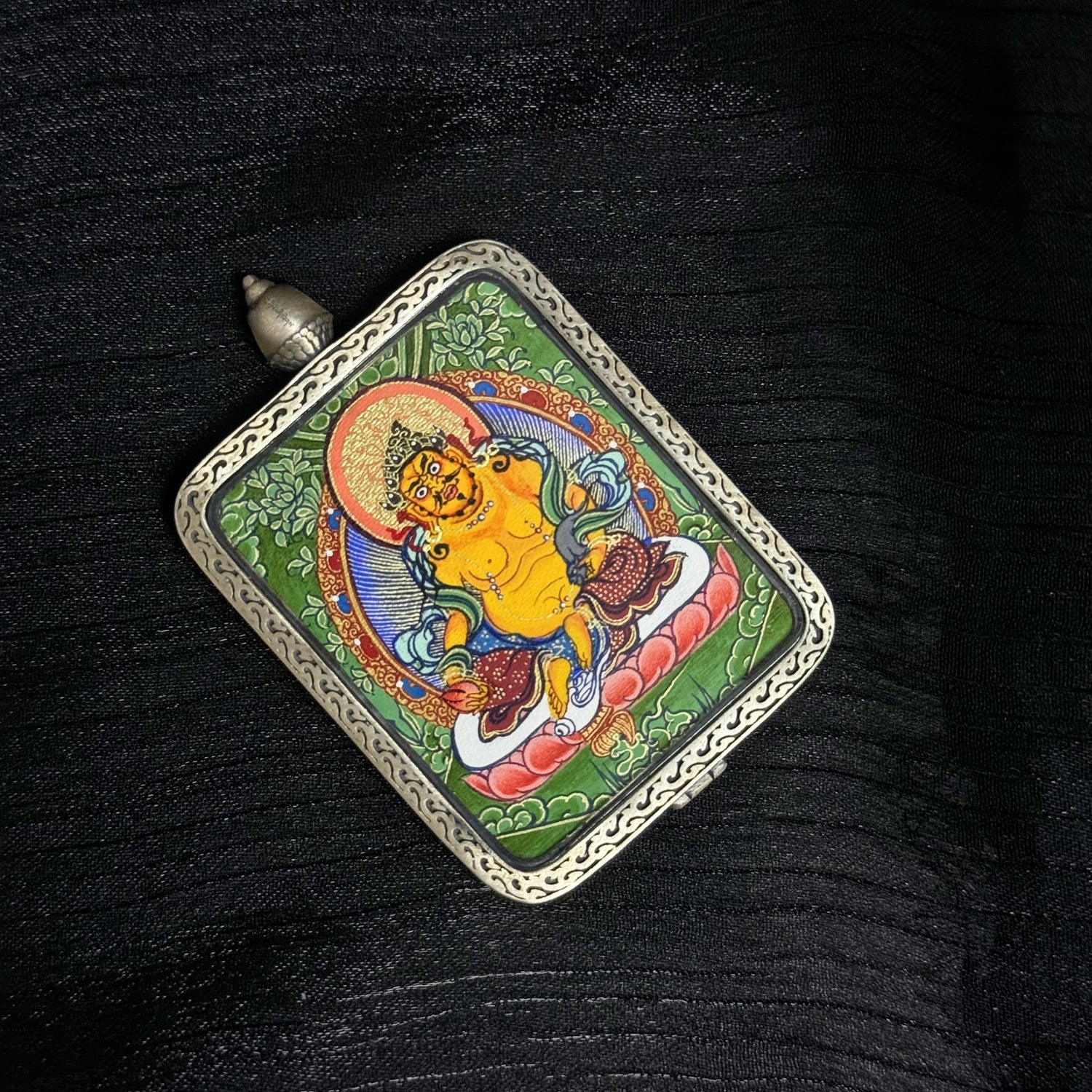
103 Products
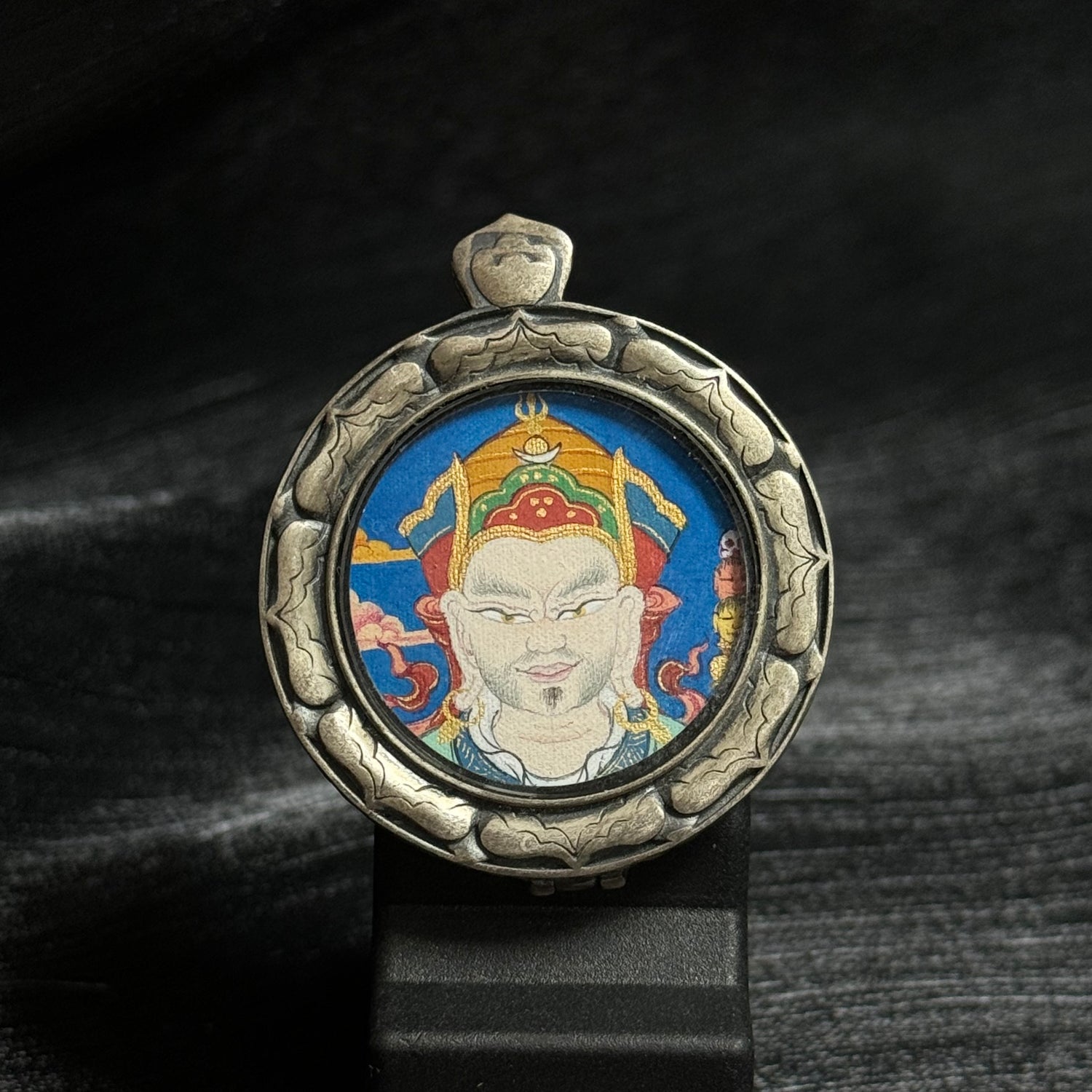
7 Products
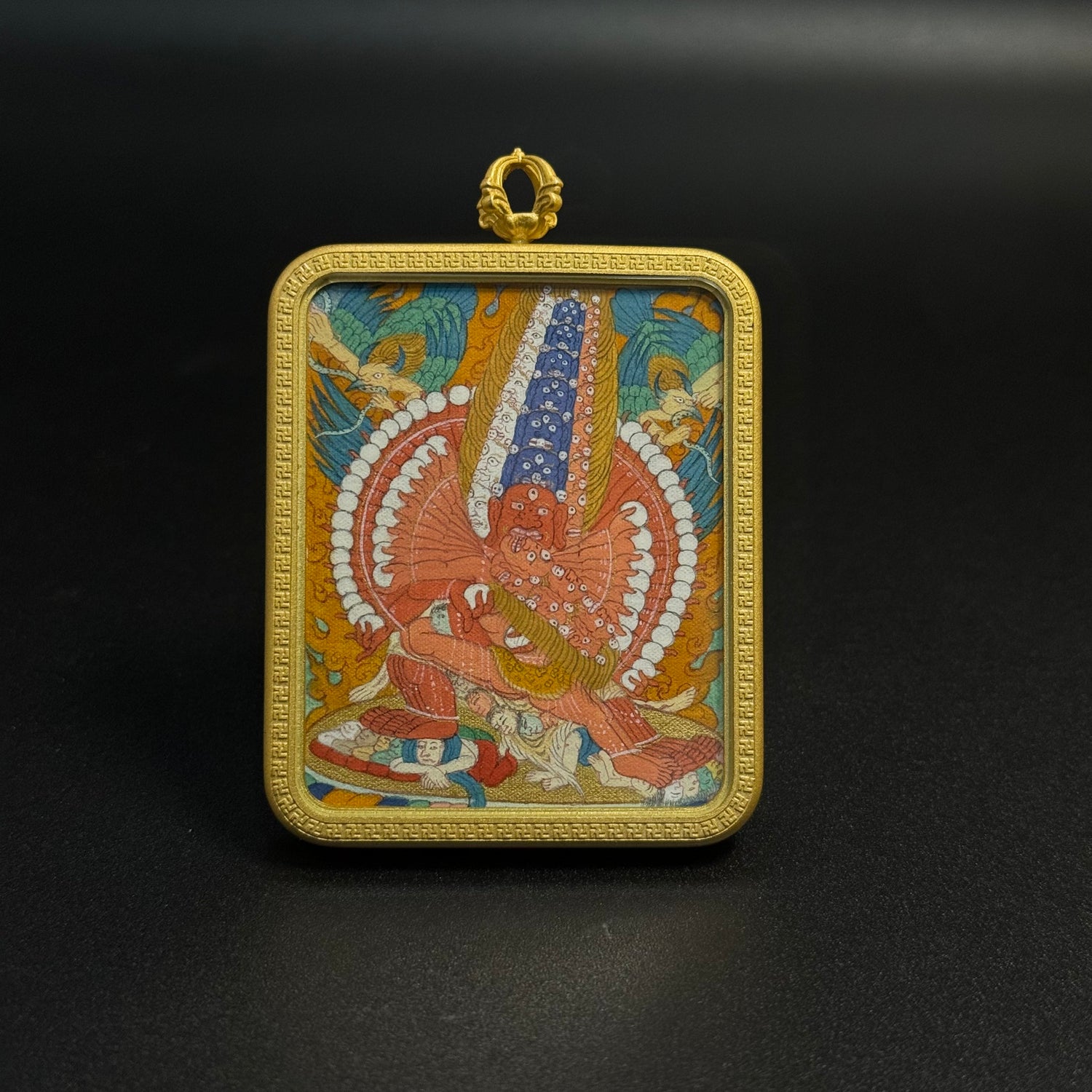
41 Products
40 Products
5 Products
14 Products
34 Products
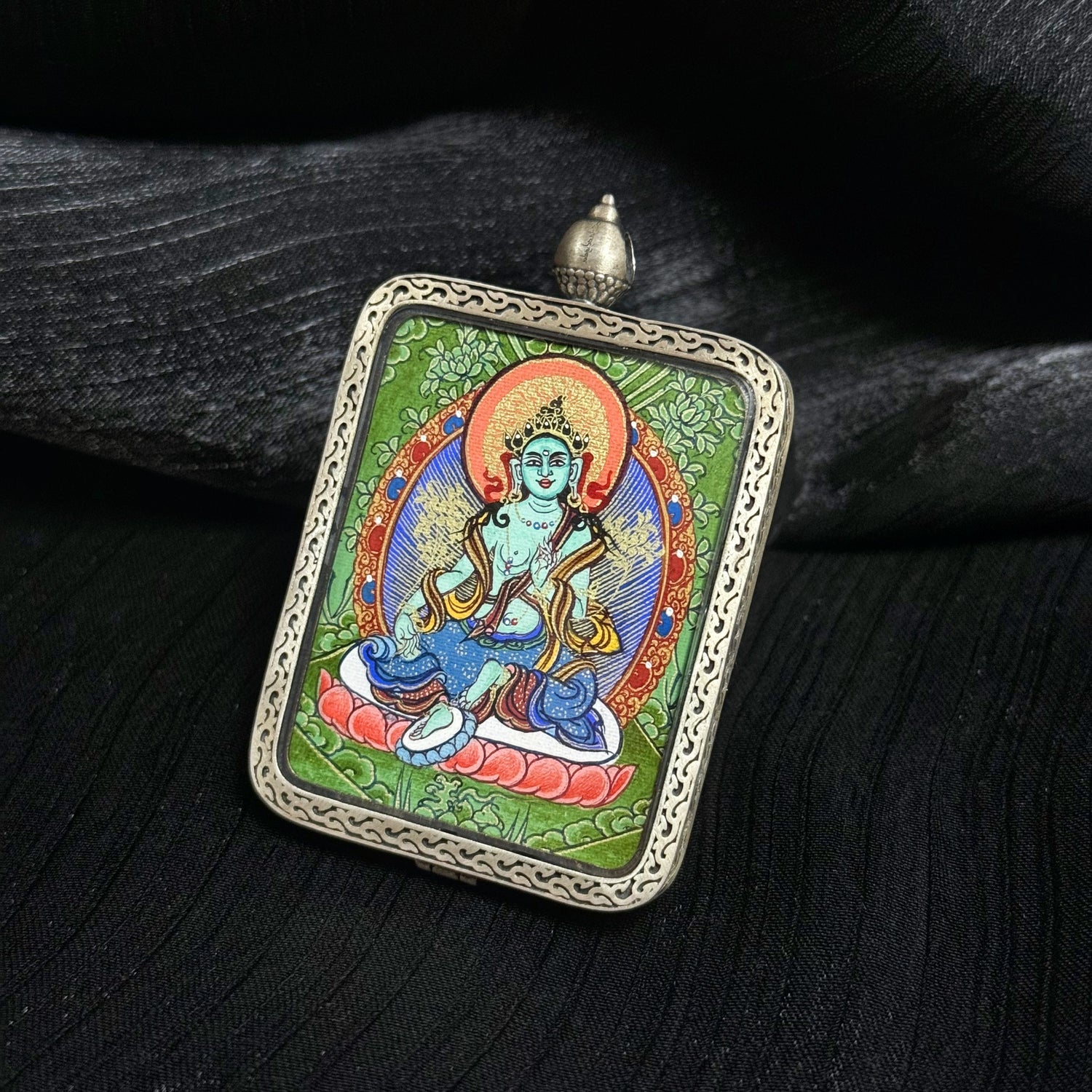
60 Products
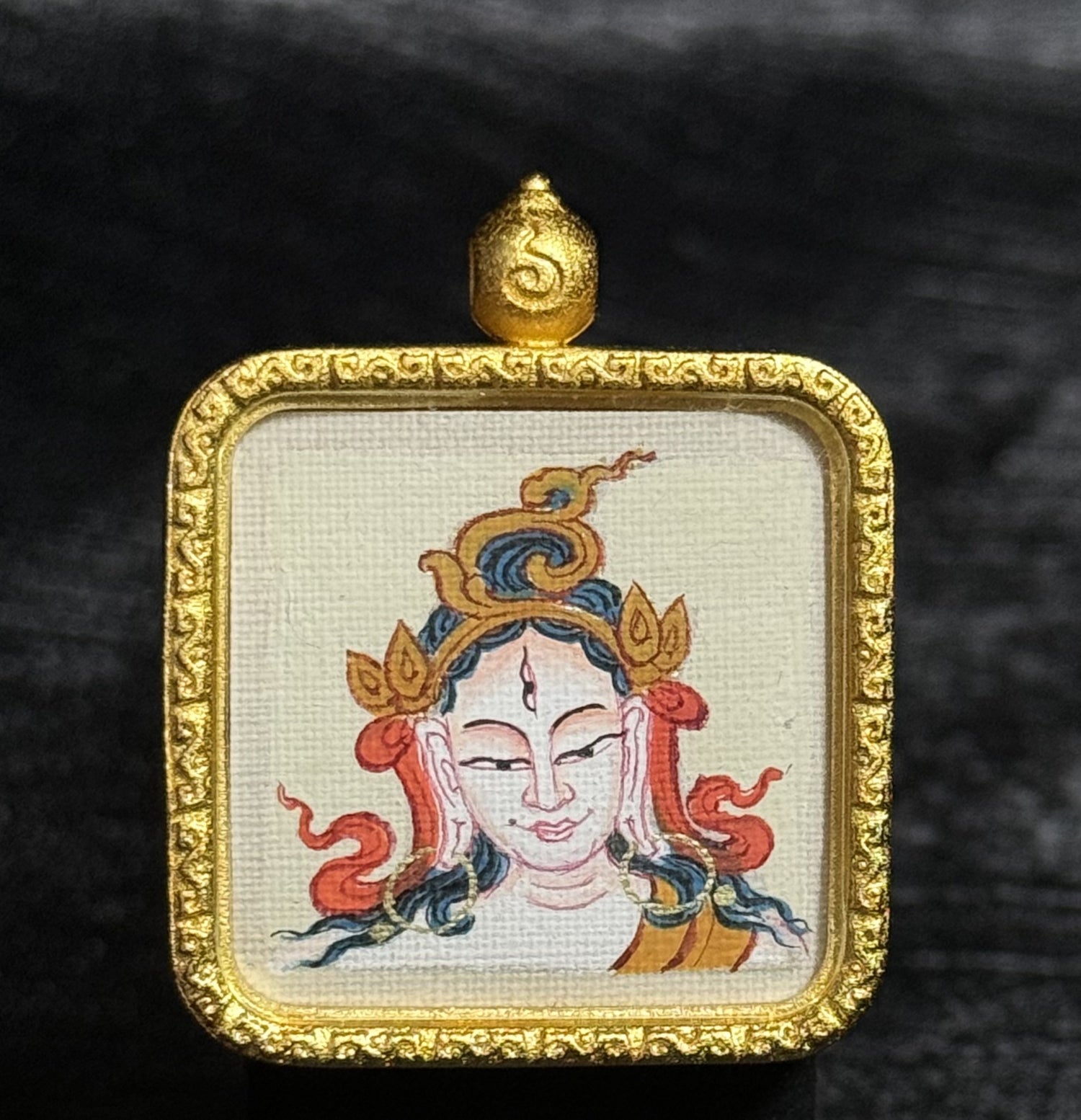
10 Products
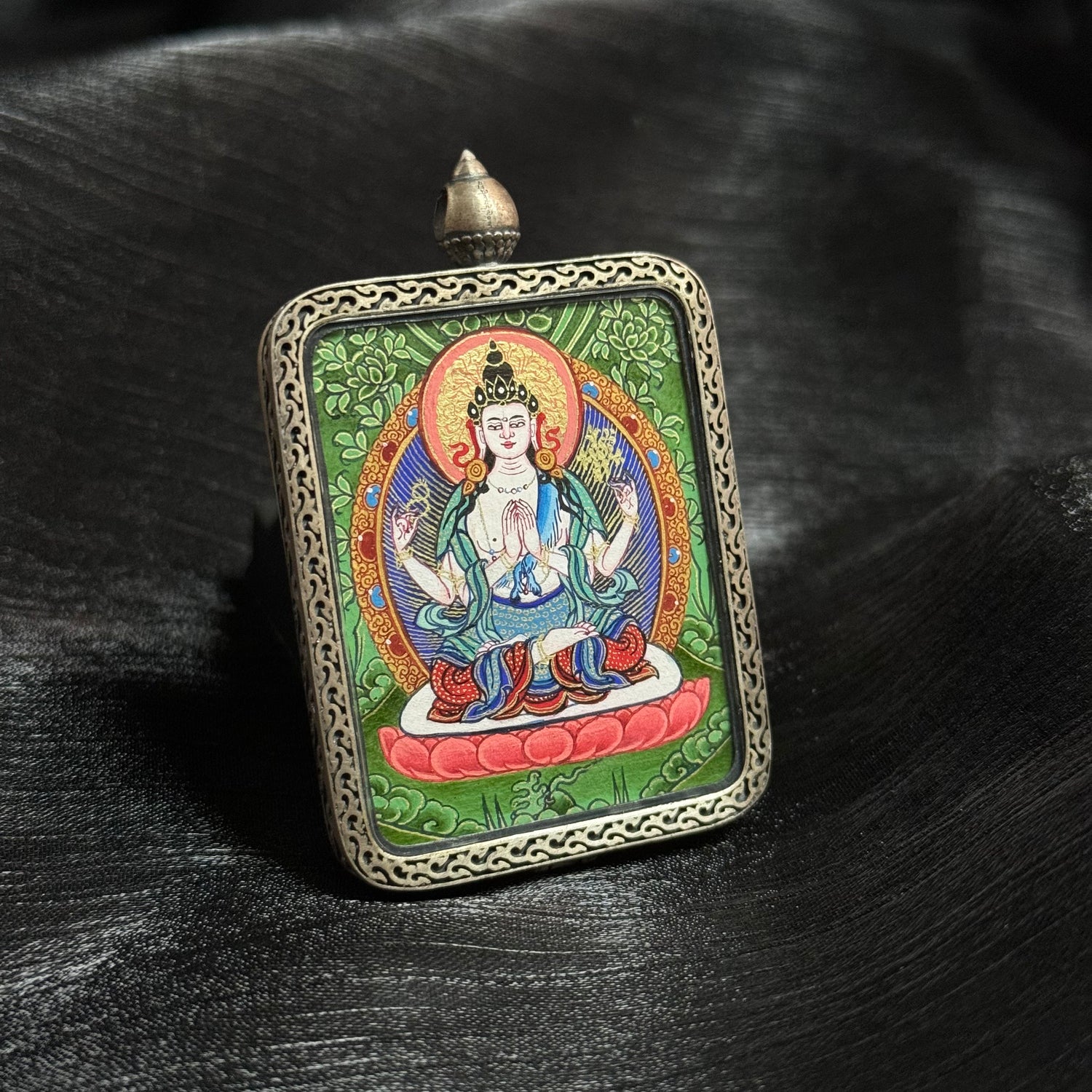
60 Products
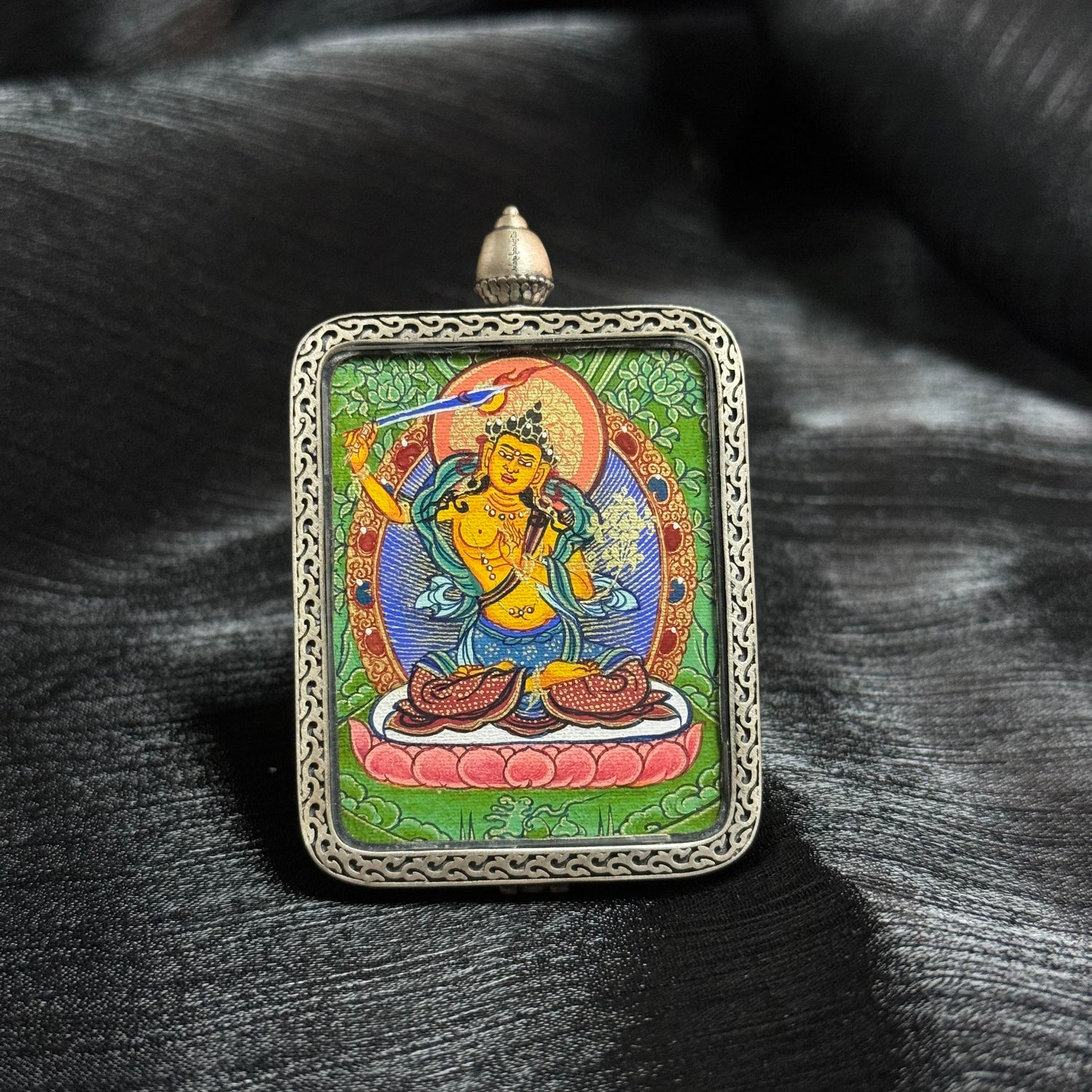
51 Products
What Is Thangka?

What Is Thangka? Meaning, Definition & Features of Himalayan Thangka Art
Thangka (also spelled Tangka, Thanka, or Thang-ga) is a traditional form of scroll painting originating from the Himalayan region. It is one of the most distinctive and culturally significant art forms within Tibetan and Himalayan traditions. Known for its vibrant mineral pigments, precise composition, and portable scroll-mounted format, Thangka represents a remarkable blend of artistic mastery and cultural storytelling.
As a form of Himalayan scroll painting, Thangka carries centuries of cultural knowledge, symbolism, and artistic craftsmanship, and continues to gain recognition among collectors, scholars, and art enthusiasts around the world.
What Does “Thangka” Mean?
The word “Thangka” comes from Tibetan and can be understood as “a painting that can be rolled up and unrolled.” It refers to a painting executed on cotton or silk, mounted with silk brocade, and designed for hanging, display, or easy storage.
- A portable scroll format
- Natural mineral and botanical pigments
- Hand-painted craftsmanship
- Structured composition and symbolic imagery
- A cultural narrative at its core
Key Features of Thangka Art
1. Scroll-Mounted Painting
Thangkas are painted on cloth and framed with silk brocade, allowing them to travel easily with scholars and practitioners.
2. Long-lasting Mineral Pigments
Traditional Thangka pigment sources include gold, silver, coral, turquoise, cinnabar, malachite, saffron, and indigo.
3. Precise and Structured Composition
The artistic process includes:
- Preparing the canvas
- Sketching the layout
- Layering pigments
- Detailing linework
- Applying gold/silver highlights
- Mounting with silk brocade
Subjects and Themes in Thangka Painting
- Historical & cultural figures
- Mythological stories
- Astronomy & cosmology
- Tibetan medicine & symbolic diagrams
- Architecture & regional culture
Origins of Thangka (Academic Perspectives)
- Influence from ancient Indian scrolls
- Interaction with Chinese painting traditions
- Tibetan origin narratives
- Bon tradition ritual cloth paintings
Major Artistic Schools of Thangka
- Nepalese Style
- Menri Style
- Khyenri Style
- Karma Gardri Style
Types of Thangka Paintings
- Painted Thangka
- Embroidered Thangka
- Appliqué Thangka
- Brocade Thangka
- Pearl Thangka
Artistic Importance: Thangka as Cultural Heritage
1. National Intangible Heritage
Thangka painting is listed as China’s National Intangible Cultural Heritage.
2. A Living Tradition
Still practiced in Nepal, Tibet, and Rebgong (Amdo).
3. Global Recognition
Praised for artistic detail, cultural depth, and natural pigments.
FAQ About Thangka
Q1: What is Thangka used for?
Cultural display, meditation, collection, interior décor.
Q2: Why is Thangka unique?
Scroll-mounted, mineral pigments, sacred proportions.
Q3: Is it listed as cultural heritage?
Yes, in China’s National Intangible Cultural Heritage registry.
Q4: How long does it take to create?
Months to years.
Q5: Where is Thangka produced?
Nepal, Tibetan regions, and Rebgong (Amdo).
Explore More in Our Thangka Learning Center
Category
Featured product
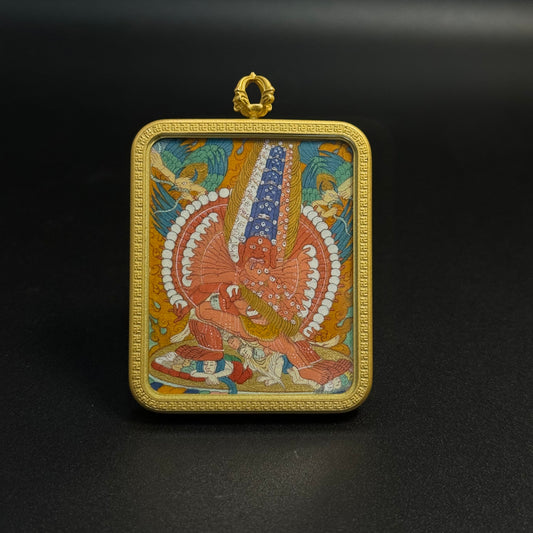
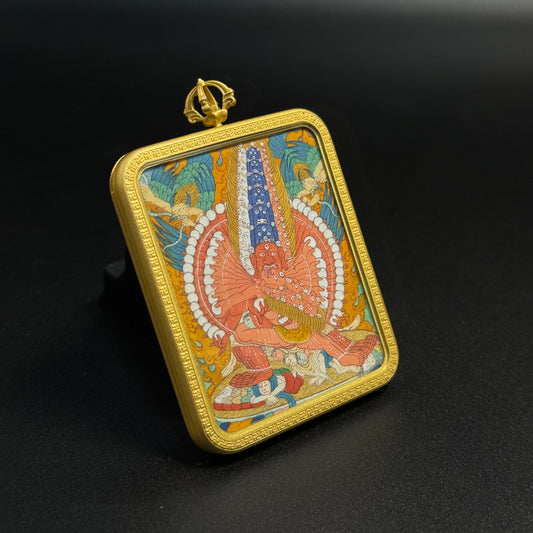
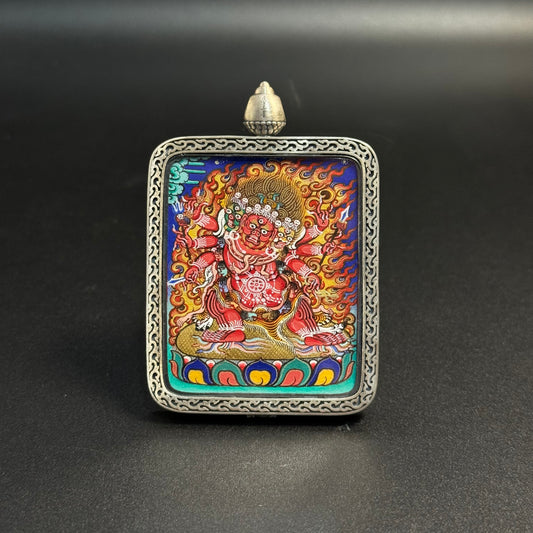
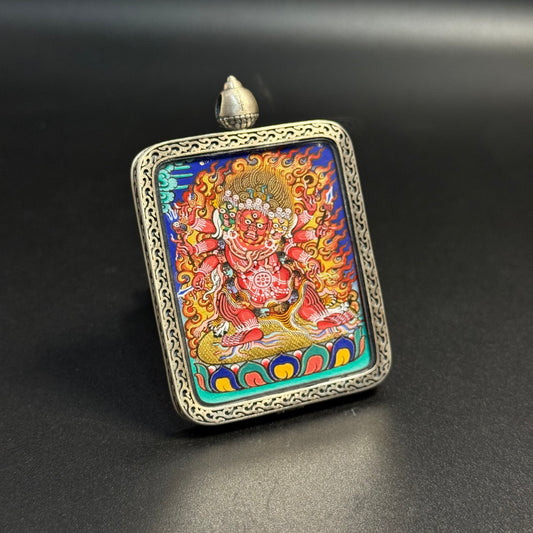
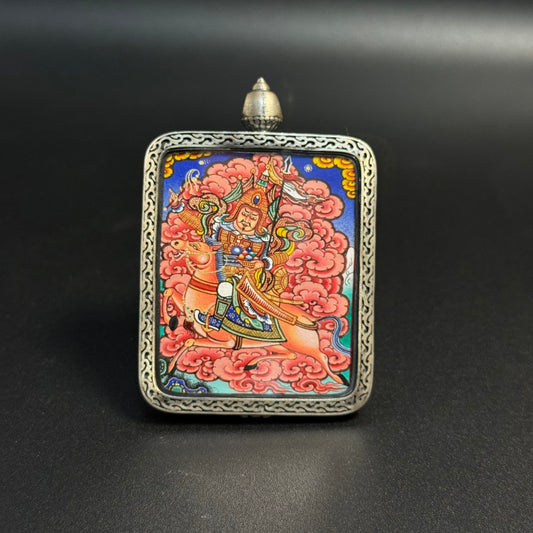
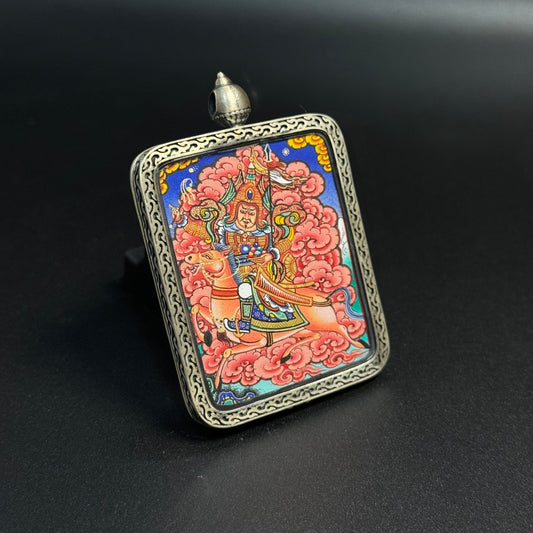
King Gesar Tibetan Warrior King Mini Thangka Pendant Hand-Painted • Mineral Pigments • Rebgong Origin • 4 × 5 cm
Regular price
$8,000.00 USD
No products found Use fewer filters or remove all