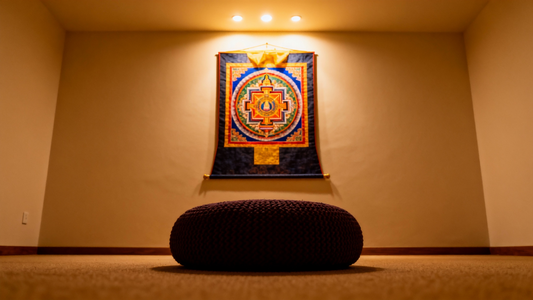

How to Care for a Thangka: Essential Guidelines for Preservation
How to Care for a Thangka: Essential Guidelines for Preservation
A well-maintained Thangka can retain its vivid colors and spiritual resonance for decades, even centuries. However, Thangkas—made of delicate cotton canvas, natural mineral pigments, and fragile gold leaf—are highly sensitive to environmental factors and improper handling. Whether you own a hand-painted collectible or a decorative piece, mastering core maintenance principles is key to protecting its integrity. This guide focuses on four essential aspects: humidity control, sunlight exposure, dust protection, and proper handling, providing practical, easy-to-follow guidelines for daily care.
1. Humidity Control: The Foundation of Thangka Preservation
Humidity is the biggest threat to Thangkas. Excessive moisture causes mold growth and pigment fading, while overly dry conditions lead to canvas brittleness and cracking. Maintaining a stable, moderate humidity environment is non-negotiable for long-term preservation.
1.1 Ideal Humidity Range
The optimal relative humidity (RH) for storing or displaying Thangkas is 50%–55%. This range balances moisture to prevent canvas dryness while inhibiting mold and insect activity.
1.2 Practical Humidity Control Methods
• Use Humidity Monitoring Tools: Place a digital hygrometer near your Thangka to track RH levels. This is the first step in adjusting the environment effectively.
• Dehumidify in Humid Environments: In rainy seasons or high-humidity regions (e.g., southern areas with RH > 65%), use a portable dehumidifier or desiccant packs (silica gel, activated charcoal) near the Thangka. Replace desiccant packs every 1–2 months to ensure effectiveness.
• Humidify in Dry Environments: In dry climates or winter (RH < 40%), use a cool-mist humidifier to add moisture. Avoid placing the humidifier directly facing the Thangka—maintain a distance of at least 1 meter to prevent water droplets from touching the canvas.
• Avoid High-Humidity Areas: Never hang or store Thangkas in bathrooms, kitchens, basements, or near windows with condensation. These areas have fluctuating humidity and are prone to mold growth.
Thangkamarket:Shop Thangka – ThangkaMarket
2. Avoid Sunlight Exposure: Protect Pigments from Fading
Natural pigments (e.g., lapis lazuli, malachite) and synthetic inks used in Thangkas are highly photosensitive. Direct sunlight or strong ultraviolet (UV) radiation accelerates pigment fading, discoloration, and canvas aging. Even indirect sunlight over long periods can cause cumulative damage.
2.1 Core Sunlight Protection Principles
• No Direct Sunlight: Hang or store Thangkas in areas with no direct sunlight (e.g., north-facing walls, rooms with diffused light). Avoid windowsills, glass doors, or any spot where sunlight falls directly on the Thangka for more than 1 hour a day.
• Block UV Rays: If your Thangka must be in a room with windows, install UV-filtering film on the glass to block 90%+ of harmful UV rays. This is a cost-effective way to protect the Thangka while retaining natural light in the room.
• Limit Artificial Light Exposure: Avoid placing the Thangka under strong artificial lights (e.g., halogen lamps, LED spotlights) for extended periods. If lighting is needed, use low-UV LED lights with a color temperature of 2700K–3000K (warm white) and maintain a distance of 1.5 meters or more.
3. Dust Protection: Prevent Damage to Pigments and Gold Leaf
Dust accumulation not only affects the Thangka’s appearance but also scratches the delicate pigment layer and gold leaf when wiped improperly. Over time, dust can mix with moisture to form a sticky film, accelerating deterioration. Regular, gentle dust removal is essential.
3.1 Daily Dust Prevention
• Use a Protective Cover: For Thangkas not on display (e.g., stored scrolls), wrap them in acid-free tissue paper or cotton cloth to prevent dust ingress. Avoid plastic wraps, as they trap moisture and cause mold.
• Keep the Environment Clean: Regularly clean the room where the Thangka is placed to reduce dust sources. Use a vacuum cleaner with a HEPA filter to avoid dust redistribution.
3.2 Gentle Dust Removal Techniques
• Use a Soft Brush: For surface dust, use a clean, dry, soft-bristled brush (e.g., a makeup brush or a specialized anti-static dusting brush). Gently brush the Thangka in one direction (from top to bottom) to avoid scratching the pigment or gold leaf. Never use a damp cloth or water directly on the Thangka.
• Handle Stubborn Dust with Caution: If dust adheres tightly to the surface, do not rub forcefully. Instead, use a hair dryer on the lowest, coolest setting to blow away the dust from a distance of 30 cm. Ensure the hair dryer is set to "cool" to avoid damaging the pigments with heat.
4. Proper Handling: Avoid Physical Damage
Improper handling is a common cause of physical damage to Thangkas, such as tears, creases, or gold leaf peeling. Whether hanging, storing, or moving the Thangka, follow these guidelines to minimize risk.
4.1 Hanging the Thangka Correctly
• Use a Sturdy Hanging Rod: For scroll-style Thangkas, use a solid wooden or metal rod that matches the width of the scroll. Avoid thin, flimsy rods that may bend and damage the scroll’s top edge.
• Hang Evenly and Securely: Ensure the Thangka is hung straight and evenly to avoid uneven tension on the canvas. Use two hooks (one on each end of the rod) to distribute weight and prevent the rod from slipping. The hanging height should be above eye level (to show respect) and away from high-traffic areas to avoid accidental bumps.
• Avoid Framing with Glass (If Possible): For framed Thangkas, use UV-filtering glass, but leave a 2–3 cm gap between the glass and the Thangka to allow air circulation. This prevents moisture buildup between the glass and the canvas, which causes mold.
4.2 Storing the Thangka Properly
• Roll Scrolls Carefully: When storing scroll-style Thangkas, roll them loosely around a thick, acid-free cardboard tube (diameter ≥ 10 cm) to avoid creases. Roll the Thangka with the painted side facing inward to protect the pigment layer. Never roll it too tightly, as this can crack the pigments and canvas.
• Store in a Dry, Cool Container: Place the rolled Thangka in a breathable container (e.g., a wooden box lined with cotton cloth) and add a few desiccant packs. Store the container in a cool, dark, dry cabinet away from heat sources (e.g., radiators, air conditioners) and chemicals (e.g., insecticides, perfumes).
• Avoid Stacking: Do not stack heavy objects on top of stored Thangkas, as this causes permanent creases or tears. If storing multiple Thangkas, wrap each one individually and place them side by side in the container.
4.3 Handling During Movement
• Wash Hands Before Touching: Always wash and dry your hands thoroughly before handling the Thangka. Oils, sweat, and dirt on your hands can transfer to the canvas and damage the pigments.
• Support the Entire Canvas: When moving the Thangka, hold it by the edges or the hanging rod—never pinch or pull the canvas itself. For large Thangkas, ask for assistance to avoid bending or dropping it.
• Avoid Folding: Never fold the Thangka, even temporarily. Folding causes creases that are difficult to remove and can crack the pigment layer.
Thangkamarket:Wall Hanging Thangka – ThangkaMarket
6. Material-Specific Maintenance Guidelines
Different Thangka materials have unique vulnerability points, so targeted maintenance is required to avoid damage. Below are key guidelines for two common high-value materials: large-area gold leaf Thangkas and mineral pigment Thangkas.
6.1 Large-Area Gold Leaf Thangkas
Gold leaf is thin and prone to peeling or scratching, so the core focus is on avoiding friction and stable humidity.
• Dust Removal with Extra Caution: Use a ultra-soft brush (e.g., a professional calligraphy brush with fine hairs) to gently dust in a single direction. Never use a hair dryer—even cool air may blow off loose gold leaf. For stubborn dust, consult a professional instead of handling it yourself.
• Control Humidity Fluctuations: Sudden changes in humidity can cause the canvas to expand and contract, leading to gold leaf peeling. Maintain RH at 50%–55% consistently; avoid moving the Thangka between air-conditioned rooms and humid outdoor areas frequently.
• Avoid Direct Contact: Never touch the gold leaf area with bare hands—oils and sweat can cause gold leaf to discolor or peel. When moving, hold only the scroll edges or hanging rod.
6.2 Mineral Pigment Thangkas
Natural mineral pigments are durable but prone to cracking if the canvas shrinks, so the core is preventing canvas dryness and avoiding direct sunlight.
• Strict Sunlight Protection: Mineral pigments (especially lapis lazuli blue and malachite green) are highly photosensitive. Even indirect sunlight for long periods can fade colors. Hang only in fully shaded areas and use UV-filtering film on nearby windows.
• Gentle Dust Removal: Use a dry soft brush; avoid applying pressure—hard brushing can scratch the pigment layer. Never use any liquid cleaners, as they will dissolve the pigment binder.
• Stable Humidity: Avoid overly dry environments (RH < 40%), which cause the canvas to shrink and pigments to crack. Use a cool-mist humidifier in dry seasons, keeping it 1 meter away from the Thangka.
Thangkamarket:Mineral Pigment Thangka – ThangkaMarket
7. Seasonal Maintenance Focus
Seasonal changes bring fluctuations in humidity and temperature, which are major threats to Thangkas. Adjust maintenance strategies according to seasonal characteristics:
7.1 Summer (High Humidity & Strong Sunlight)
• Key Goal: Moisture Prevention: Use a portable dehumidifier 2–3 meters away from the Thangka; replace desiccant packs every 2–3 weeks. Ensure the room is well-ventilated in the morning and evening, but close windows during heavy rain.
• Strengthen Sun Protection: Draw thick curtains during midday (10:00–16:00) to block direct sunlight. Avoid hanging Thangkas near air conditioners—cold air blowing directly can cause moisture condensation on the canvas.
7.2 Winter (Low Humidity & Dry Air)
• Key Goal: Moisture Retention: Use a cool-mist humidifier to maintain RH at 50%–55%. Place a bowl of clean water near radiators (not directly under the Thangka) to increase ambient humidity.
• Avoid Heat Sources: Keep Thangkas at least 1.5 meters away from radiators, heaters, or fireplaces. Dry air and high temperatures accelerate canvas brittleness and pigment cracking.
• Sealed Storage for Unused Thangkas: Wrap stored scrolls in cotton cloth and place in a wooden box with desiccant packs to prevent dryness-induced damage.
7.3 Spring & Autumn (Dust & Temperature Fluctuations)
• Enhance Dust Removal: Spring and autumn have more floating dust; increase dusting frequency to once a week. Close windows during windy days to avoid dust accumulation.
• Stabilize Environment: Avoid frequent opening and closing of windows to prevent sudden temperature/humidity changes. Use a hygrometer to monitor levels and adjust timely.
8. Thangka Pendant Maintenance
Thangka pendants are small and portable, with maintenance focusing on wear protection, moisture resistance, and avoiding chemical corrosion.
8.1 Wearing Precautions
• Avoid Contact with Moisture & Chemicals: Remove the pendant before bathing, swimming, or exercising (sweat contains salt and oil that can damage pigments/gold leaf). Keep away from perfumes, lotions, or cosmetics—chemicals can discolor or corrode the surface.
• Prevent Collision: The pendant’s surface is delicate; avoid collision with hard objects (e.g., keys, jewelry) to prevent scratches or gold leaf peeling.
8.2 Storage Methods
• Use a Gau Box for Protection: When not wearing, store the pendant in its original Gau box (sacred container) to avoid dust, moisture, and physical damage. Place a small silica gel desiccant in the box to absorb moisture (replace every 3–6 months).
• Avoid Sealed Plastic Bags: Do not store the pendant in plastic bags for long periods—moisture trapped inside can cause mold or pigment deterioration.
• Long-Term Storage (Over 3 Months Unworn): Enhanced Protection: 1. Double-wrap the Gau box with acid-free tissue paper first, then put it into a breathable cotton bag to strengthen dust and moisture insulation. 2. Choose a dedicated storage container: Use a dry wooden box with a tight lid, line the inner wall with cotton cloth, and place 2–3 silica gel desiccant packs (replace every 2 months) in the box. 3. Optimize storage location: Store the wooden box in a cool, dark, and dry area (e.g., the upper layer of a wardrobe away from the wall), avoiding basements, attics, or areas near air conditioners/radiators. 4. Regular inspection: Check the pendant every 1 month—open the box for 10–15 minutes of ventilation (in a dry environment) and replace desiccant if it becomes damp. Do not touch the pendant’s surface during inspection.
8.3 Cleaning Tips
• Gentle Surface Cleaning: Use a clean, dry microfiber cloth to gently wipe the pendant’s surface. For stubborn stains, do not rub—use a soft-bristled toothbrush (unused) to lightly brush, then wipe with the cloth.
• Never Wash with Water: Do not soak or rinse the pendant with water; water can seep into the Gau box or damage the pigment layer. If the pendant gets wet accidentally, dry it immediately with a soft cloth and place in a dry environment for 24 hours.
9. Common Issues and Emergency Handling
• Mold Growth: If you notice mold spots (white, green, or black fuzzy patches), immediately move the Thangka to a dry, well-ventilated area. Gently brush off surface mold with a soft brush. For severe mold, do not handle it yourself—consult a professional art restorer. Never use bleach or chemical cleaners, as they will destroy the pigments.
• Minor Tears: For small tears (≤ 2 cm) on the canvas edge, avoid touching the torn area. Place a piece of acid-free tissue paper on both sides of the tear and take it to a professional restorer as soon as possible. Do not attempt to glue the tear yourself, as improper glue will damage the canvas and pigments.
• Gold Leaf Peeling: If gold leaf starts to peel, avoid touching the affected area. Keep the Thangka in a stable humidity environment and consult a restorer—they can reapply gold leaf using traditional techniques without damaging the original work.
10. Summary: Key Maintenance Principles
Caring for a Thangka boils down to four core principles: stable humidity, no direct sunlight, gentle dusting, and careful handling. By following these guidelines, you can protect your Thangka from common forms of damage and preserve its beauty and value for years to come. Remember, prevention is better than cure—regular monitoring of the environment and gentle maintenance are far more effective than repairing damage later.
For valuable hand-painted Thangkas (e.g., master works or antique pieces), consider having them professionally inspected and maintained every 2–3 years. Professional restorers can identify hidden issues (e.g., internal mold, pigment degradation) and provide targeted preservation solutions.
If you have specific questions about maintaining your Thangka—such as caring for a Newar-style Thangka with extensive gold leaf, a large scroll-style Thangka, or your Thangka pendant—feel free to leave a comment below or contact our Thangka preservation experts for personalized advice.
Previous
Thangka Quality & Price Factors: What Determines Their Value?
Next
Framing & Display Tips for Thangkas: Elevate Beauty & Preserve Integrity
Related articles



Long-term Preservation
Dec 14 2025