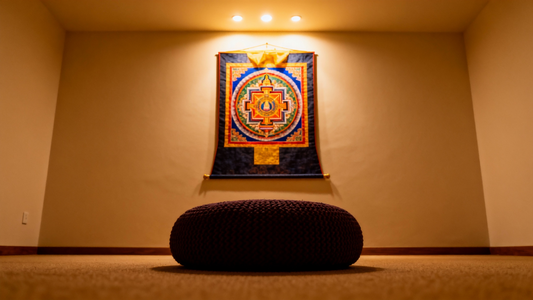

Newar Style Thangka: Exquisite Gold Work & Luminous Deities by Nepali Masters
Newar Style Thangka: Exquisite Gold Work & Luminous Deities by Nepali Masters
In the global landscape of Thangka art, the Newar style stands as a glittering gem from Nepal, celebrated for the unparalleled craftsmanship of its Newar masters. Renowned worldwide for refined gold work, intricate ornamentation, and luminous deity expressions, this style has captivated collectors with its unique blend of sacred spirituality and artistic exquisiteness. Unlike the Tibetan-centric styles such as Menri or Karma Gadri, Newar Thangka bears the distinct imprint of Nepali culture, integrating Hindu and Buddhist iconography with local artistic traditions. This article delves into the origin, core characteristics, craftsmanship, and collection value of the Newar style, unlocking the allure of this highly prized Nepali Thangka tradition.
I. What Is Newar Style? The Origin of Nepal’s Prized Thangka Tradition
The Newar style takes its name from the Newar people—the indigenous inhabitants of the Kathmandu Valley in Nepal, who have been the custodians of Nepal’s most sophisticated artistic traditions for centuries. Emerging as early as the 13th century, this style evolved from the intersection of Buddhist art (influenced by Tibetan Buddhism) and Hindu art (rooted in Nepali indigenous beliefs), with its development closely tied to the temples and royal courts of the Kathmandu Valley.
Newar Thangka masters were historically revered not only in Nepal but also across the Himalayan region, including Tibet and Bhutan, where they were often invited to create artworks for important monasteries. Their unparalleled skill in gold work and deity depiction made the Newar style a benchmark of exquisite craftsmanship, and to this day, authentic Newar Thangkas remain highly sought after by collectors worldwide. Unlike the mass-produced Nepali Thangkas that prioritize cost efficiency, traditional Newar style adheres to rigorous craftsmanship standards, embodying the essence of Nepali sacred art.
Thangkamarket:Newar Style – ThangkaMarket
II. Core Characteristics of Newar Style: The Three Hallmarks of Exquisiteness
The Newar style’s enduring appeal lies in three core characteristics, which are the signature of Newar masters’ craftsmanship and the key reasons for its global acclaim:
1. Refined Gold Work: The Pinnacle of Nepali Gold Craftsmanship
Gold work is the most distinctive and celebrated feature of the Newar style—Newar masters are widely regarded as the most skilled gold craftsmen in Himalayan art. Their gold application techniques are far more refined and intricate than those of other Thangka styles, emphasizing luster, layering, and delicate detail.
• High-Quality Gold & Precise Processing: Traditional Newar Thangkas use 24K pure gold, which is hammered into ultra-thin gold leaf (thickness as low as 0.05mm) through a labor-intensive process. Newar masters have mastered the art of gold leaf production, ensuring that the gold leaf is uniform, thin, and retains its luster for centuries.
• Intricate Gold Ornamentation: Gold is not just used for halos or small accents but for elaborate ornamentation. Masters use gold leaf to create delicate patterns on deities’ jewelry (necklaces, bracelets, crowns), clothing borders, and even background motifs. Some high-end Newar Thangkas feature "gold inlay" techniques, where gold leaf is precisely cut and inlaid into fine lines to form complex geometric or floral patterns.
• Luminous Gold Layering: For key elements like deities’ halos, Newar masters apply multiple layers of gold leaf to create a rich, luminous effect. The layered gold reflects light from different angles, giving the halo a three-dimensional, radiant glow that makes the deity stand out vividly against the background.
2. Detailed Ornamentation: Exquisite Details That Define Luxury
Newar style is synonymous with intricate, ornate details—every element of the Thangka, from deities’ clothing to background motifs, is adorned with meticulous decorations that showcase the master’s patience and skill. This emphasis on detail sets it apart from the more minimalist Tibetan styles.
• Elaborate Jewelry & Accessories: Deities in Newar Thangkas are adorned with highly detailed jewelry, including multi-layered necklaces, intricate bracelets, ornate crowns, and dangling earrings. Each piece of jewelry is rendered with fine lines and gold accents, mimicking the texture and luster of real gemstones and gold.
• Intricate Clothing Patterns: The robes of deities feature complex patterns, such as floral motifs, geometric designs, and scrollwork. These patterns are drawn with ultra-fine lines and often highlighted with gold, creating a sense of luxury and richness. The folds of the robes are also depicted with meticulous detail, showing the softness and flow of the fabric.
• Ornate Background Elements: Unlike the simple backgrounds of some Tibetan Thangkas, Newar style backgrounds are often filled with intricate motifs, such as lotus petals, cloud patterns, and sacred symbols (e.g., the endless knot, lotus). These elements are arranged in a dense yet orderly manner, creating a rich, sacred atmosphere.
3. Luminous Deity Expressions: Compassionate & Radiant Auras
Newar masters excel at depicting deity expressions that are luminous, compassionate, and full of life—this is one of the most beloved features of the style. Unlike the solemn, rigid expressions of some monastic Thangkas, Newar deities have soft, approachable faces that radiate warmth and compassion.
• Soft Facial Features: Deities’ faces are round and full, with gentle eyes that are slightly curved (conveying compassion), soft eyebrows, and subtle smiles. The eyes are often highlighted with a touch of white pigment to create a luminous, lifelike effect—making the deity appear as if it is looking directly at the viewer.
• Radiant Auras: In addition to gold halos, Newar masters often add a soft, glowing effect around the deity’s face using light pigments (such as pale yellow or pink), enhancing the sense of divinity and radiance. This technique makes the deity’s expression even more striking and memorable.
• Emotional Resonance: The expressions of Newar deities are not just decorative—they evoke a sense of peace and devotion in the viewer. Whether it is the gentle smile of Buddha or the compassionate gaze of Avalokiteshvara, each expression is designed to connect the viewer with the deity’s spiritual energy.
4. Additional Feature: Fusion of Hindu & Buddhist Iconography
A unique aspect of the Newar style is its fusion of Hindu and Buddhist iconography, reflecting Nepal’s religious diversity. Many Newar Thangkas feature Buddhist deities (e.g., Buddha, Bodhisattvas) adorned with Hindu-style jewelry and clothing, or background elements that include Hindu sacred symbols (e.g., the trishul, om symbol). This fusion adds a distinct cultural richness to the style, making it highly unique among Himalayan art traditions.
III. Craftsmanship of Newar Style: The Secrets of Nepali Masters
The craftsmanship of Newar style is renowned for its rigor and refinement, especially in gold work and detail rendering. Newar masters undergo years of rigorous training to master these techniques, ensuring that every piece is a work of art:
1. Canvas Preparation: Sturdy Foundation for Intricate Details
Newar artists prefer medium-weight cotton canvas, which is sturdy enough to support the multiple layers of gold leaf and pigment. The canvas preparation process involves three key steps: washing (to remove impurities), stretching (with tight tension to ensure flatness), and sizing (with a mixture of animal glue and talcum powder). The sizing layer is applied in 2-3 thin layers, then polished with agate to create a smooth, firm surface that allows for precise linework and gold application. This foundation ensures that the Thangka remains durable even with the heavy gold leaf and intricate details.
2. Gold Processing: The Core of Newar Craftsmanship
Gold processing is the most time-consuming part of Newar Thangka creation. Masters start with 24K gold ingots, which are hammered into thin sheets using a special wooden hammer and stone slab. This hammering process takes hours, with the gold sheet being folded and hammered repeatedly until it becomes ultra-thin gold leaf (0.05-0.1mm thick). The gold leaf is then cut into small pieces using sharp scissors, ready for application.
3. Gold Application: Precise & Layered Techniques
Newar masters use two main gold application techniques: cold gilding (for detailed patterns) and hot gilding (for large areas like halos). For cold gilding, gold leaf is applied to a thin layer of animal glue (applied to the canvas) using a soft brush, then pressed gently to ensure adhesion. For intricate patterns (e.g., jewelry details), masters use tweezers to place small pieces of gold leaf precisely. For hot gilding, the canvas is heated slightly, and gold leaf is applied to the heated glue, creating a more durable, luminous finish. Multiple layers of gold leaf are often applied to key areas to enhance the luster and three-dimensional effect.
4. Line & Color Application: Precision & Richness
Linework in Newar style is ultra-fine and precise, using small goat-hair brushes with only a few hairs at the tip. Masters first sketch the outline of the deity and details with light ink, then refine the lines with black or dark brown pigment. For color application, Newar artists use natural mineral pigments (lapis lazuli, malachite, cinnabar) and plant-based pigments, often applying multiple layers to create rich, vibrant colors. The colors are chosen to complement the gold work—deep blues, greens, and reds contrast beautifully with the warm gold, enhancing the luxurious feel of the Thangka.
IV. Newar Style vs. Other Major Thangka Styles: Core Differences
The Newar style’s focus on gold work and intricate decoration sets it apart from Tibetan styles like Menri and Karma Gadri. The table below highlights key distinctions, maintaining the consistent comparison framework of the series:
|
Feature |
Newar Style |
Menri (Miansa) Style |
Karma Gadri Style |
|
Origin |
13th-century Kathmandu Valley, Nepal (Newar people, Hindu-Buddhist fusion) |
14th-century Menri Monastery, Tibet (Sakya sect, monastic orthodoxy) |
15th-century Tibet (Karma Kagyu sect, Tibetan-Chinese fusion) |
|
Composition |
Dense, ornate, deity-centric with detailed background decoration |
Symmetrical, balanced, central deity focus with minimalist background |
Asymmetrical, spacious, narrative flow with open landscapes |
|
Gold Work |
Exquisite, layered, extensive use for decoration & halos (core feature) |
Restrained, minimal use for key sacred elements |
Subtle, sparse accents with soft glow |
|
Ornamentation |
Extremely intricate (jewelry, clothing, background motifs) |
Simple, symbolic, no excessive decoration |
Elegant, understated, focus on natural flow |
|
Deity Expressions |
Luminous, compassionate, soft smiles, lifelike eyes |
Solemn, rigid, symmetrical features (spiritual rigor) |
Gentle, serene, relaxed postures (elegant & approachable) |
|
Core Aesthetic |
Luxurious, ornate, radiant, cultural fusion |
Solemn, sacred, orthodox, spiritual purity |
Elegant, naturalistic, atmospheric, human-nature harmony |
V. Collecting Newar Style Thangkas: What to Look For
Authentic Newar style Thangkas are highly prized by global collectors, making it crucial to distinguish them from mass-produced imitations. Here are key factors to consider when purchasing:
1. Authenticity: Prioritize Master Lineage & Gold Quality
Genuine Newar Thangkas are created by Newar masters trained in the traditional master-apprentice system. Look for certificates of authenticity confirming the artist’s Newar lineage. Avoid works with poor-quality gold (dull luster, uneven application) or synthetic gold paint—these are mass-produced imitations. Authentic Newar gold work has a bright, warm luster and precise, intricate details.
2. Craftsmanship: Check for Refinement & Detail
• Gold Work: Inspect the gold leaf application—should be even, without bubbles or gaps. Layered gold areas (e.g., halos) should have a rich, luminous effect.
• Ornamentation: Check the detail of jewelry and clothing patterns—lines should be ultra-fine and precise, with no smudges or unevenness. Each piece of jewelry should have a three-dimensional, realistic feel.
• Deity Expressions: Look for soft, luminous eyes and subtle smiles—authentic Newar deities have a lifelike, compassionate expression that stands out.
Thangkamarket:By Deity – ThangkaMarket
• Pigments: Colors should be rich, vibrant, and layered—natural mineral pigments have a distinct luster that synthetic pigments cannot replicate.
Thangkamarket:Mineral Pigment Thangka – ThangkaMarket
3. Subject Matter: Focus on Classic Deities & Hindu-Buddhist Fusion Pieces
The most valuable Newar Thangkas feature classic deities (e.g., Buddha, Avalokiteshvara, Vishnu) or Hindu-Buddhist fusion subjects—these pieces best showcase the style’s unique cultural richness and craftsmanship. Avoid niche subjects unless you are a specialized collector, as they may have limited resale value.
4. Mini Newar Style Pendants: A Luxurious Entry Point
For first-time collectors or those seeking daily-wear sacred art, mini Newar style pendants (2-5cm) are an excellent choice. These pendants replicate the style’s core features—exquisite gold work, intricate jewelry details, and luminous deity expressions—using the same 24K gold leaf and natural pigments as full-sized Thangkas. They are perfect for those who appreciate luxurious, sacred jewelry, offering the essence of Newar craftsmanship in a portable form. Authentic mini Newar pendants are highly sought after for their fine details and radiant gold work.
VI. How to Care for Newar Style Thangkas
Newar style Thangkas, with their extensive gold work and delicate details, require careful care to preserve their luster and craftsmanship:
• Avoid Direct Sunlight & High Temperature: Gold leaf and natural pigments are prone to fading under direct sunlight. Hang Thangkas in a cool, shaded area away from windows, heaters, or air conditioners—high temperature can melt the glue under the gold leaf, causing it to peel.
• Control Humidity Strictly: Maintain a dry, ventilated environment with relative humidity of 50-55%. High humidity can cause mold growth and glue deterioration, leading to gold leaf peeling. Avoid hanging in bathrooms, kitchens, or damp basements.
• Handle with Extreme Care: The delicate gold leaf and fine lines are easily damaged by friction. Never touch the surface with bare hands (oil and sweat can tarnish the gold and damage pigments). Use cotton gloves when handling, and avoid folding or rolling the Thangka—frame it or store it flat in an acid-free protective case.
• Clean Gently & Infrequently: Dust with an ultra-soft brush (e.g., a fine makeup brush) once every 6-12 months. Do not use water, chemical cleaners, or rough cloths—even gentle wiping can scratch the gold leaf or remove pigments.
Conclusion: The Timeless Allure of Newar Style Thangkas
The Newar style is a testament to the exquisite craftsmanship of Nepali Newar masters, with its refined gold work, intricate ornamentation, and luminous deity expressions creating a unique blend of luxury and spirituality. This style’s fusion of Hindu and Buddhist iconography adds cultural richness, making it stand out among Himalayan art traditions. For global collectors, an authentic Newar Thangka is not just a work of art but a valuable investment—one that retains its luster, beauty, and cultural significance for centuries.
Whether you are drawn to its radiant gold work, intricate details, or compassionate deity expressions, a Newar style Thangka offers a window into Nepal’s rich artistic heritage. From full-sized temple masterpieces to mini pendants for daily wear, the allure of Newar craftsmanship continues to captivate art lovers and collectors worldwide.
If you have more questions about Newar style Thangkas—whether identifying authenticity, choosing a piece, or caring for your collection—please feel free to leave a comment below or contact our team of Thangka experts.
Previous
Karma Gadri Style Thangka: The Elegant Fusion of Tibetan Spirituality & Chinese Painting Aesthetics
Next
Rebgong Style Thangka: Precise Lines, Bright Hues & Elegant Clarity from Amdo
Related articles

Long-term Preservation
Dec 14 2025